With El Niño now firmly established and forecast by the WMO to peak around December, is your community ready for what’s coming?
Nigeria’s weather agency, NiMet, has confirmed a strong event is underway. Reports suggest rains could linger late in northern states like Yobe, Borno, Bauchi and Jigawa, while parts of the south, including Lagos, Oyo and Ogun, turn drier than normal.
University of Chicago researchers project 31,400 additional heat deaths in Nigeria by February, the highest of any country.
As a young leader, you may not be able to change the climate, but you can help your community prepare for its effects. Here are 5 projects you can lead to make a difference.
Why Climate Resilience Matters Now
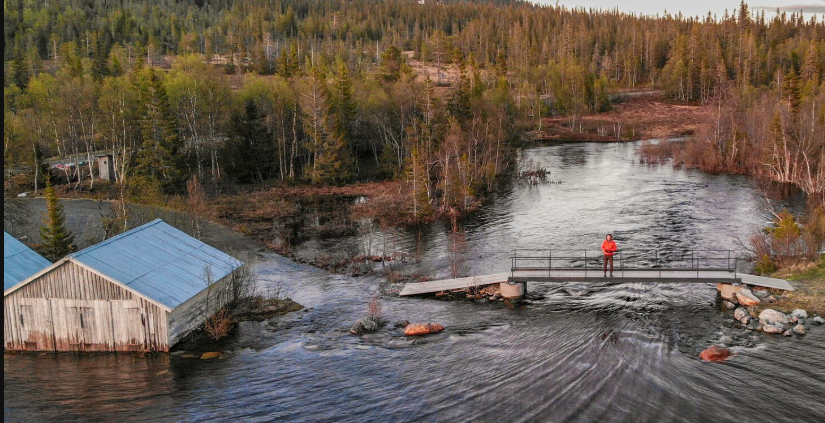
El Niño may start in the Pacific, but its effects reach Nigerian streets. . The WMO says it is firmly established and strengthening rapidly, and Nigeria’s own 2026 flood outlook already placed more than 14,000 communities at high risk.
Its effects will differ from place to place and do not automatically mean disaster, but it shows how quickly extreme weather finds the weak points in a community.
Those weak points are mostly everyday ones. Lagos produces about 13,000 tonnes of waste daily, and residents and experts say indiscriminate dumping makes its floods worse. Across Nigerian cities, blocked drains and dumped refuse have been blamed for deaths and prolonged flooding.
Nationally, Nigeria generates more than 32 million tonnes of waste a year, including 2.5 million tonnes of plastic, and less than 10 percent of it is recycled.
Tree cover is shrinking as well: Global Forest Watch data show Nigeria has lost 13 percent of its tree cover since 2000. In the southeast, erosion keeps cutting into land and roads, and surveys have identified over 500 active gully erosion sites in Abia State alone.
None of these problems needs an El Niño to do harm, but El Niño can turn each of them into an emergency.
The Role of Young Leaders
Young people will live with the long-term effects of climate change, so they have a reason to take action now.
Government agencies recognise this too. For example, NEMA’s 2026 flood campaign encourages community volunteers, youth groups, religious organisations and traditional leaders to help share early warnings and prepare their communities.
However, this does not mean young leaders should take over the responsibilities of government. Providing proper drainage, enforcing waste disposal rules and ensuring reliable public infrastructure are government responsibilities.
At the same time, residents also have a role to play by disposing of waste properly and keeping their surroundings clean.
Young leaders can help bridge the gap by working with government agencies and community members.
They can share important information, organise practical community projects and encourage people to take responsibility. Most importantly, they can speak up and hold the relevant authorities accountable.
Five Affordable Projects Young Leaders Can Lead
- Drain clean-ups with flood-preparedness education
Blocked drains turn rain into floods, so clear them before the rains peak and teach neighbours why they matter.
Lagos brought back its monthly sanitation exercise on the last Saturday of the month, but residents in several areas have reported limited participation in the actual clean-up.
- Tree planting with a follow-up plan
Planting is the easy part and keeping the trees alive is the hard part. Lagos targets 20,000 trees in 2026, and LASPARK gives out free seedlings from its nurseries in Ikorodu and Agege.
Its “Me and My Tree” scheme rewards the best-maintained tree after one year.
Plant with a school or market group, label each tree and assign someone to water it and check back after three months.
- Waste sorting and recycling collection points
Less than 10 percent of Nigeria’s waste is recycled, and the informal sector does an estimated 80 to 90 percent of what is recycled.
Set up a sorting point at a school or estate and sell the plastics and metals to waste pickers and recyclers, so the project pays for itself.
The Association of Scraps and Waste Pickers of Lagos is already organised, and LAWMA is the agency to coordinate with.
- Community food projects
School and home gardens can start with tyres and containers, which is how pupils in Ikeja primary schools have done it with a Lagos State Government partnership.
This matters because over 75 percent of Lagos’s food comes from other states.
Start with one school, plant fast-growing vegetables and involve the Young Farmers Club if the school has one.
- Clean energy awareness
With grid collapses recurring, many households and schools are asking what solar can do for them.
Run a short information day with a local installer so people see real systems, costs and maintenance before they buy.
The Rural Electrification Agency’s DARES programme aims to bring power to about 17.5 million Nigerians through 1,350 mini-grids, so it is worth contacting the agency about community programmes.
Keep this one to awareness and leave installation to certified professionals.
How to Start Without Substantial Funding
- Pick one problem on one street. A small, visible win gets neighbours and sponsors to take you seriously.
- Use what already exists. Free seedlings, the monthly sanitation day and Tree Planting Day mean your first event can cost almost nothing.
- Ask for help in kind. Request gloves, water, transport or a venue from a market association, church, school or small business instead of asking for cash.
- Write to your LCDA or local council early. A short letter saying what you plan, where and when often brings officials, equipment and legitimacy.
- Record results. Take photos, count bags or trees, and write a one-page summary. That record is what wins sponsors and partners for the next round.
Your Turn
You don’t need to fix everything. Look around your community and name one climate-related problem you see every week, such as a blocked drain, a bare field or a pile of waste.
Then choose one practical step you can take this month and one person or group you can ask to join you. Start small, record what happens, and let that result bring in the next partner.
So, what climate-related problem will you be taking up in your community, and what is the first step you plan to take?